
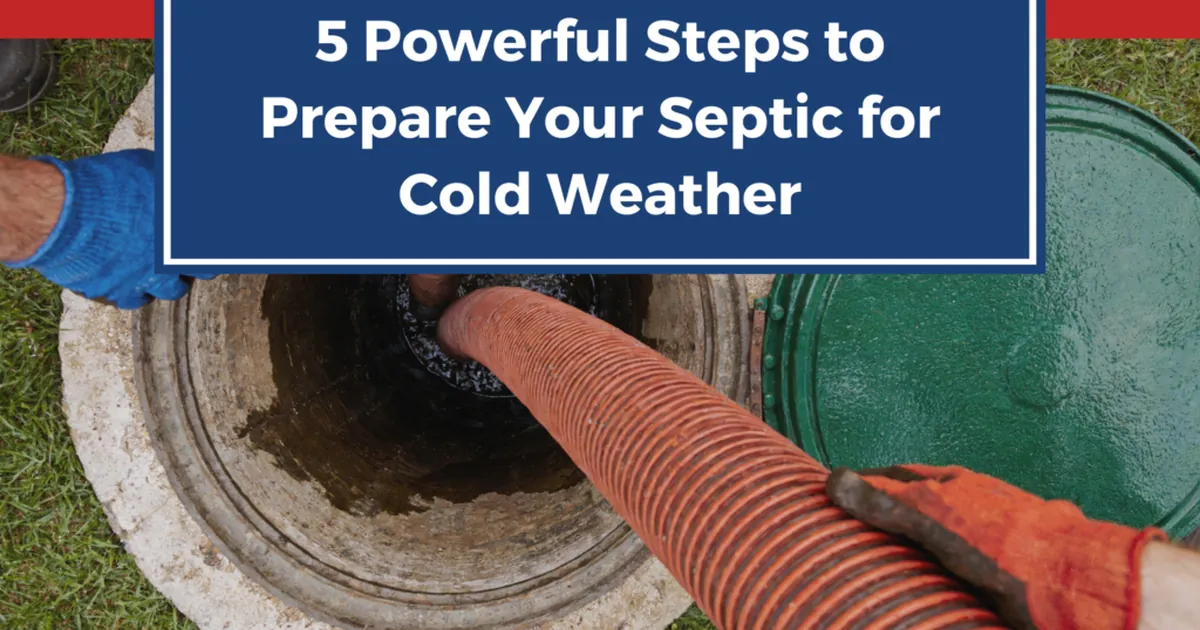
5 Powerful Steps to Prepare Your Septic for Cold Weather
When temperatures begin to drop, homeowners often focus on preparing their homes, vehicles, and outdoor spaces for winter. Your septic system deserves the same attention. Although septic systems are designed to operate throughout the year, freezing temperatures, heavy rainfall, changing soil conditions, and increased household activity can create challenges if the system is not properly prepared.
Taking a few preventive steps before cold weather arrives can help protect your septic tank, pipes, drain field, and other system components. It can also reduce the risk of frozen lines, backups, sewage problems, and expensive emergency repairs.
If you have a septic system at your home, fall is an excellent time to review your maintenance routine and make sure everything is ready for the colder months. This guide covers five important steps to prepare your septic system for cold weather, along with practical tips and answers to commonly asked questions.
Why Prepare Your Septic System for Cold Weather?
A properly functioning septic system can handle seasonal temperature changes, but winter conditions can expose existing weaknesses.
Cold weather can affect your septic system in several ways. Extremely low temperatures can freeze exposed pipes or shallow components. Heavy rain can saturate the drain field, while snow and ice can make it harder to access the tank for emergency service.
Poor insulation, inadequate soil coverage, plumbing leaks, and long periods of inactivity can also increase the risk of freezing.
Preparing your septic system before cold weather helps you:
- Reduce the risk of frozen septic pipes
- Prevent wastewater backups
- Protect the drain field
- Identify maintenance needs early
- Extend the life of your septic system
- Avoid unnecessary emergency repairs
The goal isn’t to completely winterize a septic system like you would a vacation home. Instead, proper preparation focuses on keeping the system active, protected, and properly maintained throughout the colder season.
1. Schedule a Septic Inspection Before Winter
One of the best ways to prepare your septic system for cold weather is to schedule a professional inspection.
An inspection gives you an opportunity to identify problems before freezing temperatures make them more difficult or expensive to address.
A professional septic inspection may evaluate:
- The septic tank
- Tank access points and lids
- Inlet and outlet baffles
- Wastewater pipes
- Distribution components
- Drain field conditions
- Sludge and scum levels
- Signs of leaks or system failure
Why a Fall Inspection Is Important
Small problems may become bigger during cold weather. For example, a damaged pipe or poorly protected component may be more vulnerable to freezing.
If an inspection identifies a problem in the fall, you have time to arrange repairs before winter conditions become severe.
This is especially important if your septic system is older or has experienced problems in the past.
What If You Haven’t Had an Inspection Recently?
If you can’t remember the last time your septic system was inspected, that’s a good reason to schedule one.
Regular inspections can help identify maintenance needs before they turn into unexpected septic emergencies.
2. Pump the Septic Tank When Necessary
A septic tank that is approaching its capacity can become more vulnerable to problems during periods of heavy household use.
Regular septic tank pumping removes accumulated sludge and scum, allowing the tank to continue treating wastewater properly.
When Should You Pump Your Septic Tank?
There isn’t one pumping schedule that works for every household. Pumping frequency depends on factors such as:
- Household size
- Tank capacity
- Amount of wastewater generated
- Garbage disposal use
- Solids entering the system
- Previous maintenance history
Many homeowners have their septic tanks pumped approximately every three to five years, but your system may require a different schedule.
Why Pumping Before Winter Can Help
If your tank is due for pumping, taking care of it before winter can provide peace of mind.
A tank with excessive sludge buildup has less usable capacity. This can increase the possibility of wastewater problems, particularly when household water usage increases during the holiday season.
If you’re unsure whether your tank needs pumping, a professional can inspect the system and recommend an appropriate maintenance schedule.
3. Protect Septic Pipes From Freezing
One of the biggest concerns during extremely cold weather is frozen septic plumbing.
Pipes can be particularly vulnerable when they are shallow, exposed, poorly insulated, or located in areas with inadequate soil coverage.
How Can You Help Prevent Frozen Septic Pipes?
Several simple precautions can reduce the risk:
- Maintain adequate soil cover over septic components
- Avoid removing protective vegetation unnecessarily
- Repair plumbing leaks
- Avoid unnecessary excavation near septic lines
- Keep septic access points properly secured
- Have vulnerable components evaluated by a professional
Keep the System in Regular Use
Regular wastewater flow can help keep the system active. Homeowners generally shouldn’t stop using their septic system simply because temperatures drop.
If you have a seasonal property that will be vacant during freezing weather, ask a septic professional how your particular system should be prepared.
What About Insulation?
In some situations, additional insulation may help protect shallow septic components. However, insulation requirements vary depending on the system design and local conditions.
Don’t bury or modify septic components without professional guidance. Improper changes can interfere with maintenance access or system operation.
4. Keep Water Away From the Drain Field
Managing surface water is important during every season, but it becomes particularly important when preparing for cold and wet weather.
Heavy rain can saturate the soil around your drain field. When the soil is already saturated, it may not be able to absorb additional wastewater efficiently.
Check Your Yard Before Winter
Walk around your property and look for areas where rainwater collects.
Pay particular attention to:
- Low spots near the drain field
- Downspouts that discharge toward the septic area
- Drainage channels directing water toward the system
- Areas of standing water
- Erosion around septic components
Redirect Downspouts
Your home’s gutters should direct rainwater away from the septic system and drain field.
Never intentionally route roof runoff toward the drain field. Large amounts of surface water can overwhelm the soil and interfere with wastewater treatment.
Why Drain Field Protection Matters
The drain field is responsible for receiving and filtering treated wastewater from the septic tank. Keeping excess water away from this area helps preserve its ability to function properly.
A healthy drain field is essential to the overall health of your septic system.
5. Use Smart Septic Habits Throughout Winter
Preparing your septic system for cold weather isn’t a one-time task. Your everyday habits continue to affect the system throughout winter.
Spread Out Water Usage
Avoid sending large amounts of wastewater into the septic system at once.
Instead:
- Space out laundry loads
- Avoid running several water-heavy appliances simultaneously
- Repair leaking toilets and faucets
- Take reasonable showers
- Use water-efficient appliances when possible
Excessive water flow can place unnecessary stress on the tank and drain field.
Dispose of Waste Properly
Cold weather isn’t a reason to change what belongs in your septic system.
Never flush items such as:
- Paper towels
- Wet wipes
- Feminine hygiene products
- Diapers
- Cotton swabs
- Grease
- Household chemicals
These materials can cause blockages, increase solids, or interfere with the biological processes inside the septic tank.
Be Careful With Holiday Gatherings
Winter often includes holidays, visitors, and family gatherings. More people in your home means more showers, toilet use, laundry, and dishwashing.
If you’re expecting guests, plan your water usage accordingly.
Spreading water-heavy activities throughout the day can reduce stress on your septic system.
How Cold Weather Can Affect Your Septic System
Understanding the potential effects of winter weather makes it easier to recognize problems early.
Frozen Pipes
When temperatures become extremely low, water inside shallow or exposed pipes can freeze and restrict wastewater flow.
Saturated Drain Fields
Heavy rainfall can leave the soil around a drain field saturated, reducing its ability to absorb wastewater.
Snow and Ice Coverage
Snow itself isn’t necessarily harmful to a septic system. In fact, an adequate layer of snow can provide some insulation. However, heavy equipment should never be driven over the drain field or septic tank.
Infrequent Use
Properties that remain vacant for long periods may require different winter preparation procedures. If you’re leaving a property unoccupied, consult a septic professional rather than assuming the system can simply be ignored.
Signs Your Septic System May Have a Cold-Weather Problem
Even with proper preparation, septic issues can happen. Watch for changes in your plumbing and yard.
Slow Drains
If multiple drains throughout your home become slow, the problem could involve your septic system rather than a single household drain.
Gurgling Pipes
Gurgling noises can indicate restricted wastewater flow or developing plumbing problems.
Sewage Odors
Persistent sewage odors around the tank, drain field, or inside the home should be investigated.
Standing Water
Water pooling near the drain field can indicate drainage problems, saturation, or wastewater issues.
Sewage Backup
A backup is an urgent warning that your septic system needs professional attention.
If you notice any of these signs, don’t wait for the problem to worsen.
What Should You Do If Your Septic System Freezes?
If you suspect a septic pipe or component has frozen, avoid attempting potentially damaging DIY solutions.
Do not pour boiling water into septic pipes or use open flames, torches, or other unsafe heating methods.
Instead:
- Reduce unnecessary water usage.
- Avoid forcing additional wastewater through the system.
- Check for obvious plumbing leaks.
- Contact a qualified septic professional for evaluation.
A professional can determine whether the issue involves a frozen pipe, blockage, drain field problem, or another septic system concern.
How to Protect Your Septic System All Winter
Once you’ve completed your fall preparation, continue practicing good septic habits.
Keep the Tank Accessible
Don’t cover septic access points with permanent structures or heavy landscaping that makes maintenance difficult.
Keep Vehicles Away
Never drive cars, trucks, or heavy equipment over the septic tank or drain field unless the system was specifically designed to support that type of load.
Monitor Your Drain Field
Check for unusual standing water, odors, or changes in vegetation.
Maintain Good Drainage
Make sure gutters and surface drainage direct water away from your septic system.
Keep Maintenance Records
Record inspections, pumping, repairs, and other septic services. Good records make it easier to determine when future maintenance is needed.
Frequently Asked Questions About Preparing a Septic System for Cold Weather
Can a septic tank freeze during winter?
Yes, septic tanks and wastewater pipes can freeze under certain conditions, particularly when components are shallow, exposed, poorly insulated, or not receiving regular wastewater flow.
Should I pump my septic tank before winter?
If your septic tank is due for pumping, fall can be a convenient time to have it serviced. A professional can determine whether pumping is currently necessary based on tank conditions and your maintenance history.
Should I cover my septic tank for winter?
The septic tank should remain properly covered and secure, but homeowners should not place heavy materials or structures over it. If additional protection is needed, ask a septic professional about appropriate options.
Can snow damage my septic system?
Snow generally does not damage a properly functioning septic system. However, heavy vehicles and equipment should stay off the septic tank and drain field, particularly when soil is wet or saturated.
How can I prevent septic pipes from freezing?
Maintaining adequate soil coverage, addressing leaks, protecting vulnerable components, and keeping the system in regular use can help reduce the risk of freezing. A professional can provide recommendations based on your system.
What should I do if my septic system backs up in winter?
Reduce water use and contact a septic professional. Avoid attempting unsafe methods to thaw pipes or force wastewater through the system.
Does cold weather stop septic bacteria from working?
Cold temperatures can slow biological activity, but a properly functioning septic system continues to operate during winter. Maintaining appropriate tank conditions and avoiding harmful chemicals helps support the natural treatment process.
Contact Us for Your Septic Needs
If you’re preparing your septic system for cold weather or need professional maintenance, One Way Septic is here to help. Located in Acworth, Georgia, we specialize in providing reliable septic services tailored to the unique challenges of our region. Contact us by phone at 470-329-7892, or visit our website to request a service or consultation. Our team is ready to assist you with all your septic needs, helping ensure your system remains in top condition throughout the colder months and all year round.